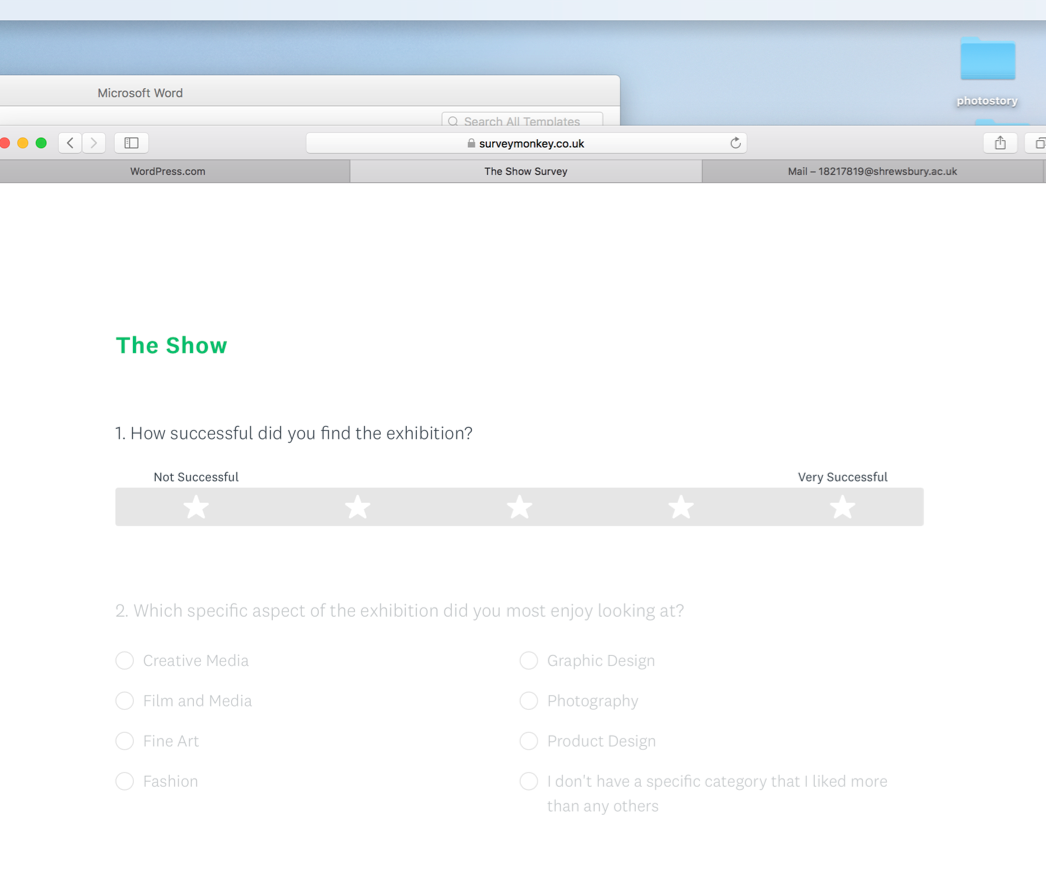
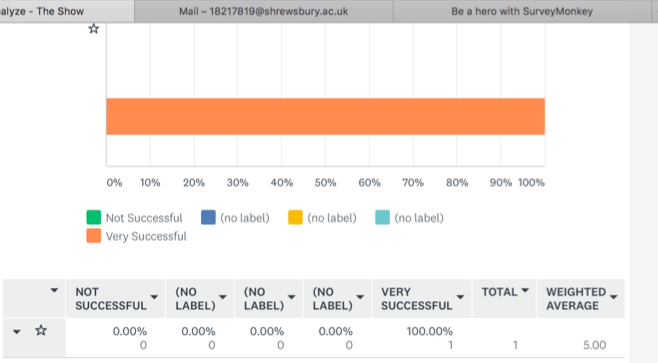
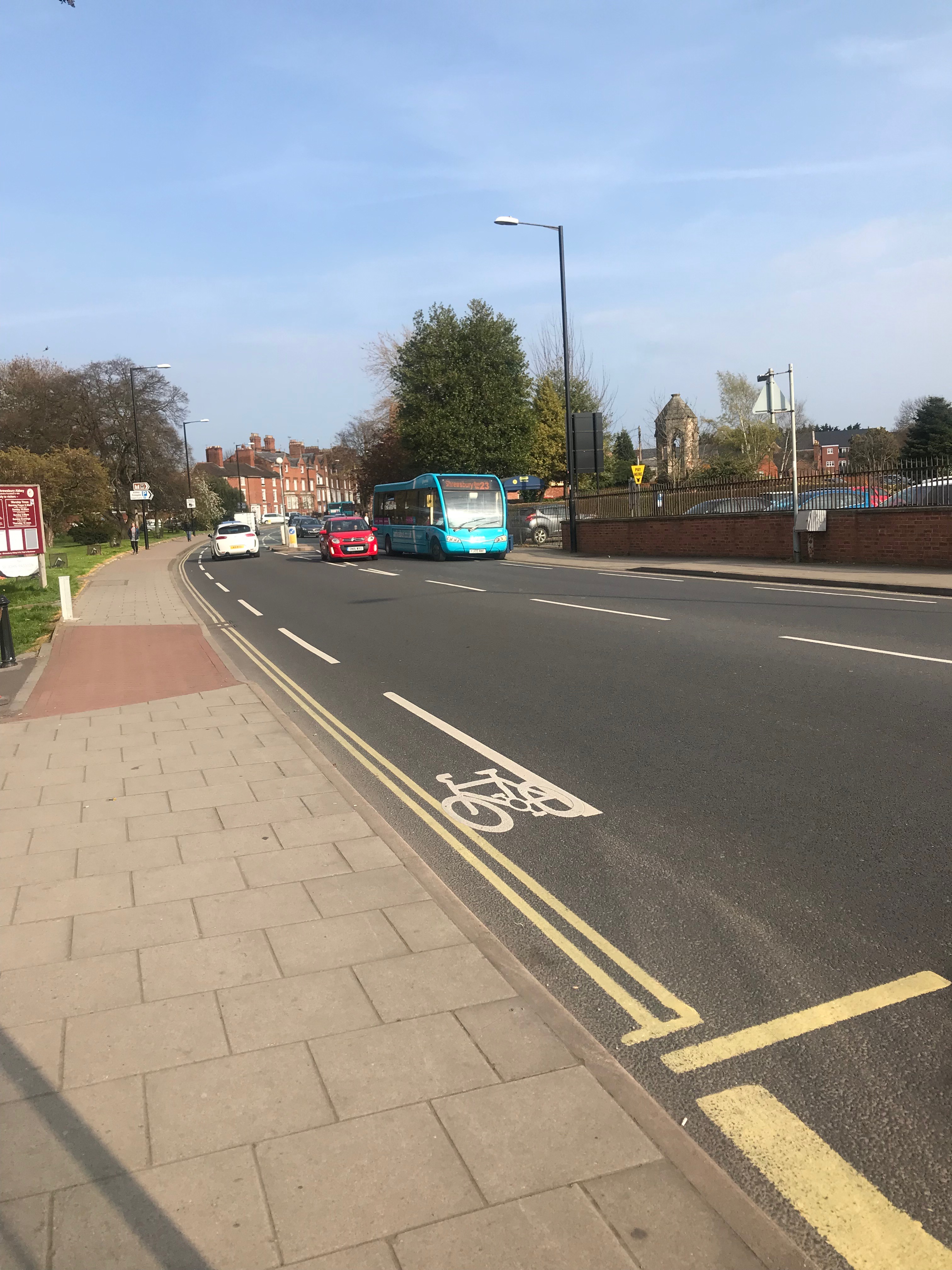
Reviewing the results from the online survey, the exhibition was successful. However one main issue that was highlighted was that the car parking outside the college wasn’t as accessible as people thought. This could be improved by possibly allocating Shrewsbury College diversion arrows from the car parks and around the town to the College to make it more clear to the public where the exhibition is. The exhibition was up to a professional standard and the majority of people felt extremely welcomed when arriving at the exhibition.
P6,M4- Evaluation
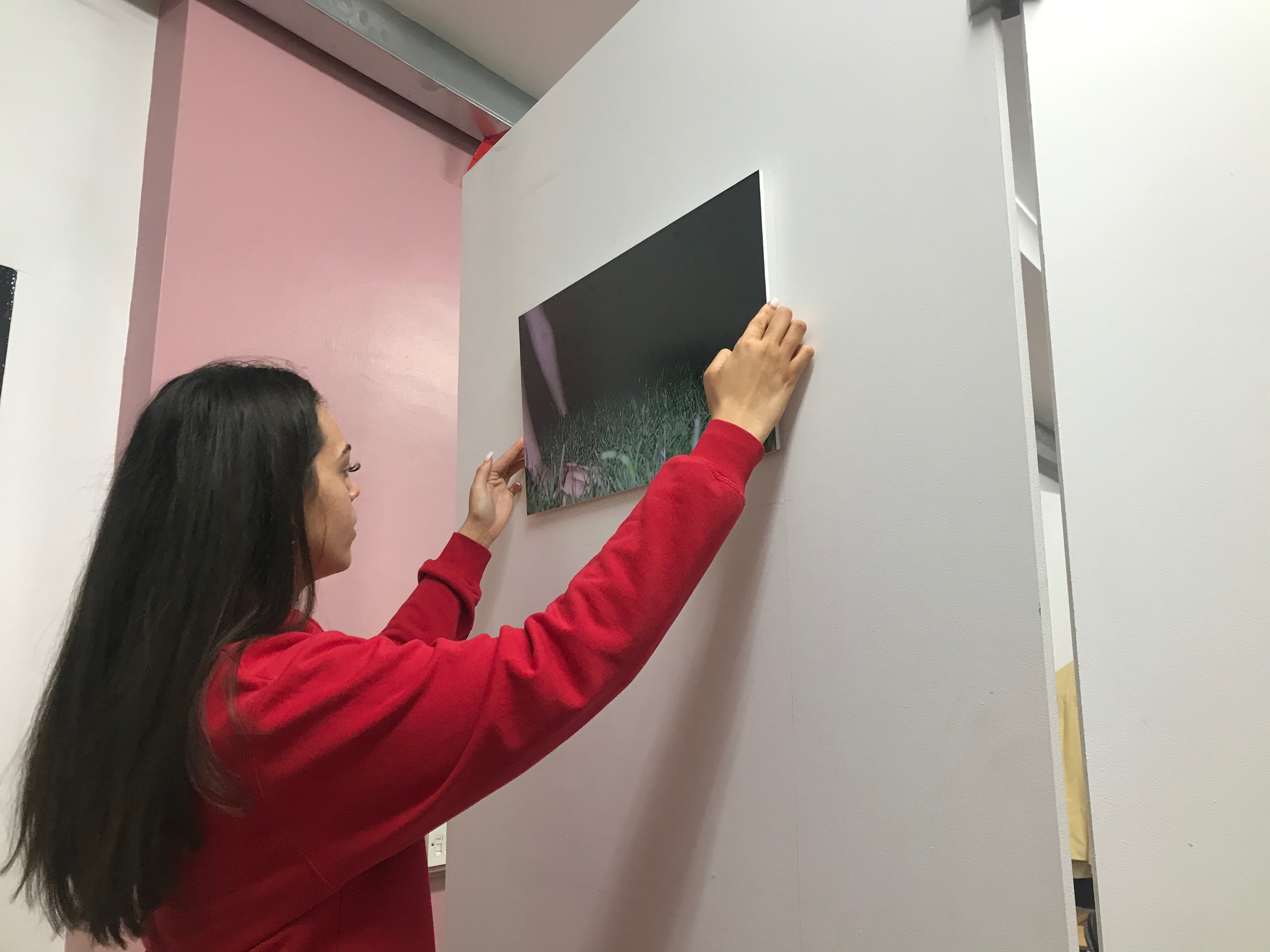
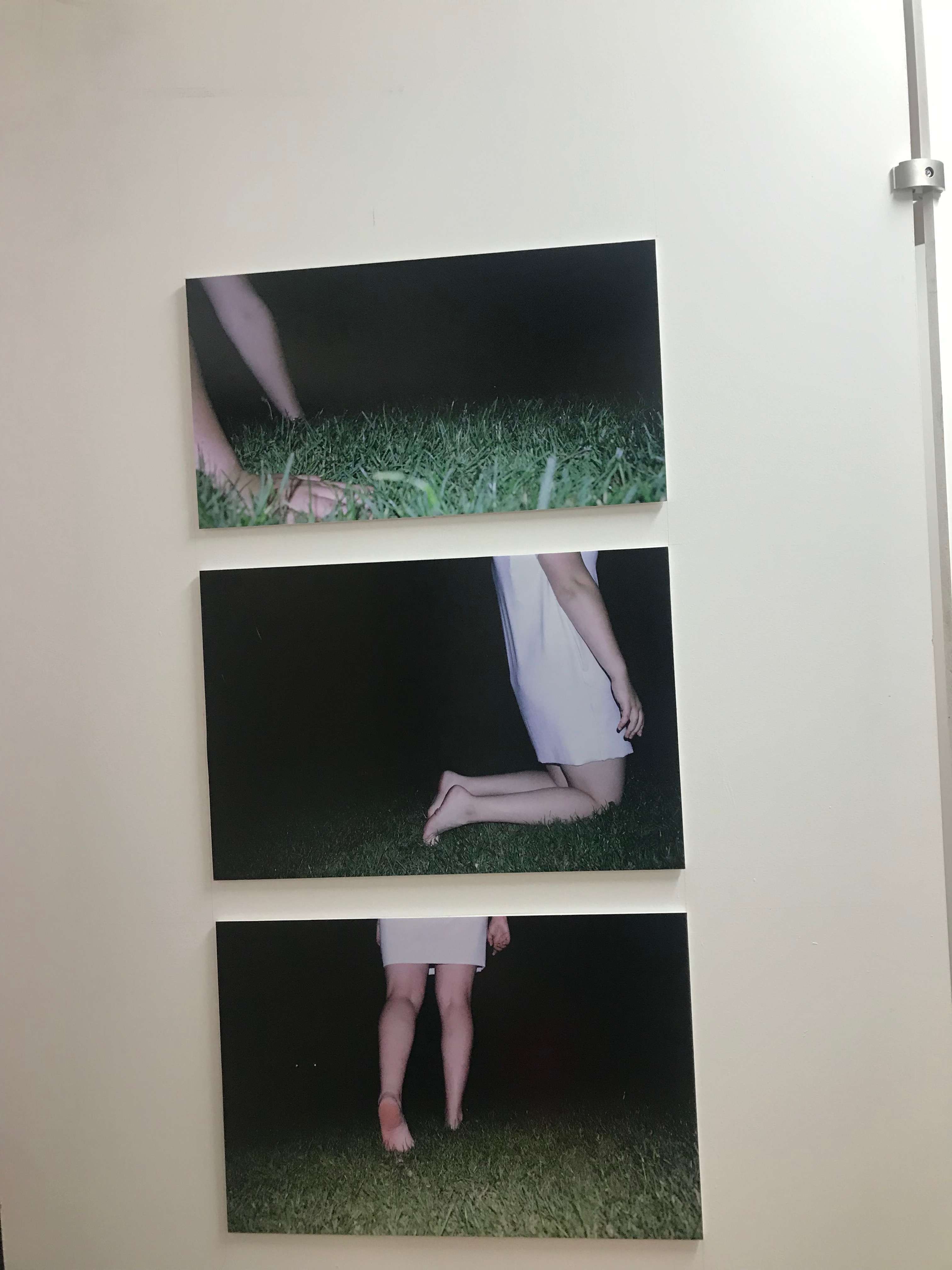
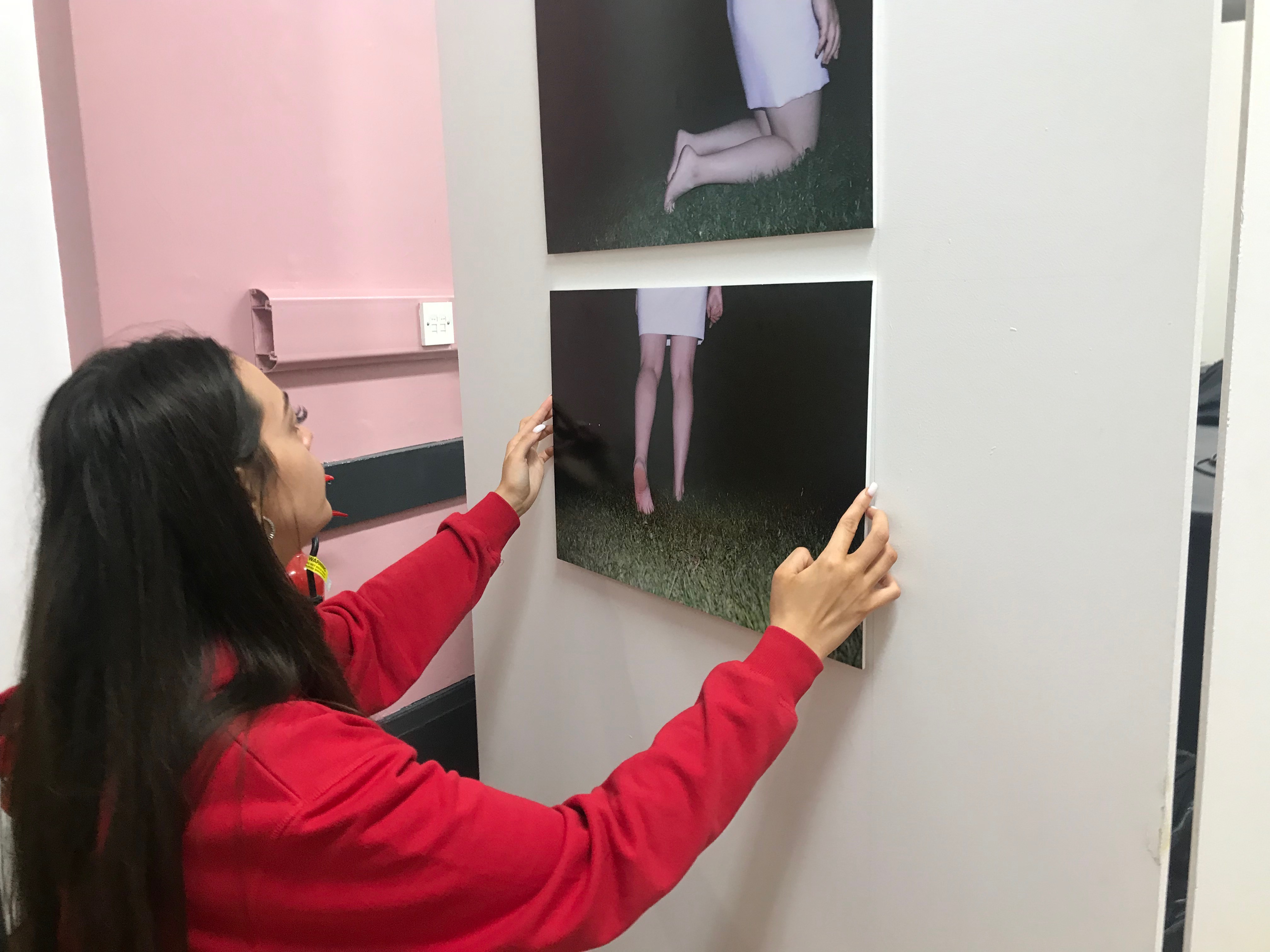
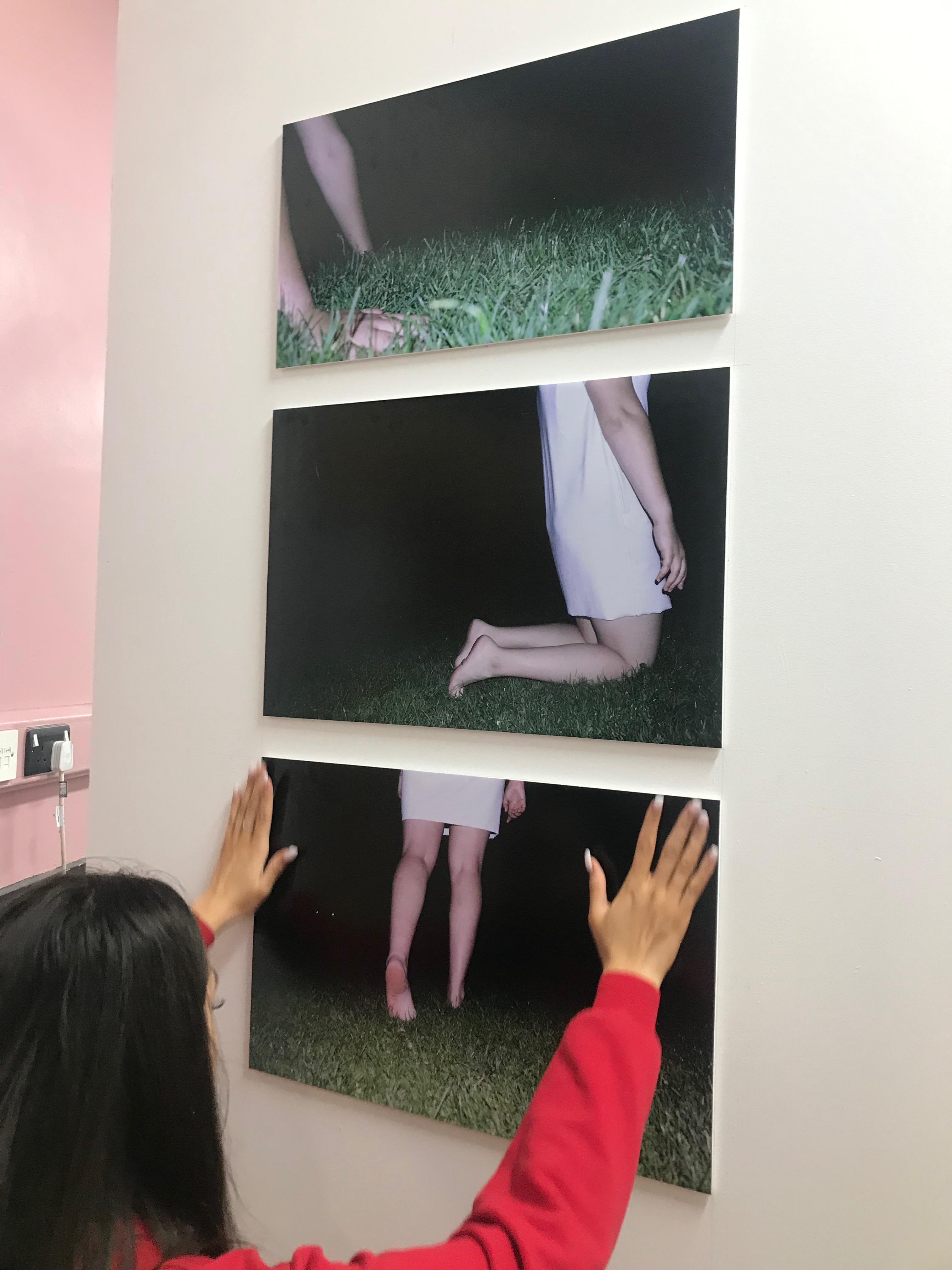
I believe that the exhibition overall turned out successful. All the students’ work was displayed of a professional standard and all the boards which the work was presented on were in appropriate places to enable people of all ages and abilities to walk around and view the work. I helped other people also present their work by helping add velcro to the backs of their images and painting over any measured pencil marks on the boards when originally fitting the work on the wall to make it look again more professional. I believe that a strength of mine was helping other people also present their own work on the boards, at the time of preparing for the exhibition it was a stressful time for most of us making sure that all work was up in the hall and taking all the health and safety precautions into consideration.
D2- Similarly to the Martin Parr exhibition that I had previously visited they included feedback forms so everyone that had visited had a voice and could put forward any problems or improvements that could be made for next time. In the colleges exhibition we have offered many survey links and questionnaires to hear feedback and give the visitors to also have an opportunity to have a voice.
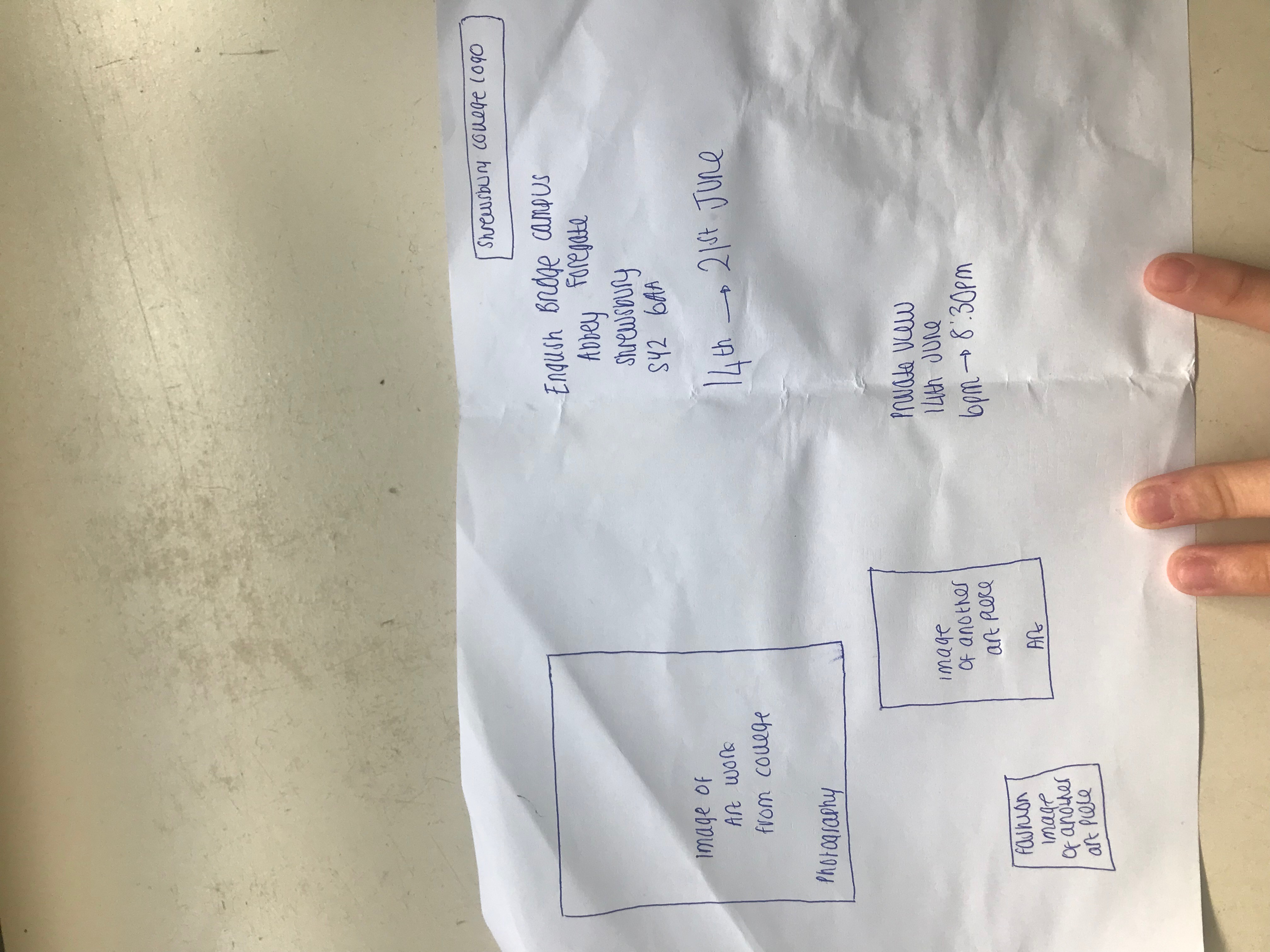
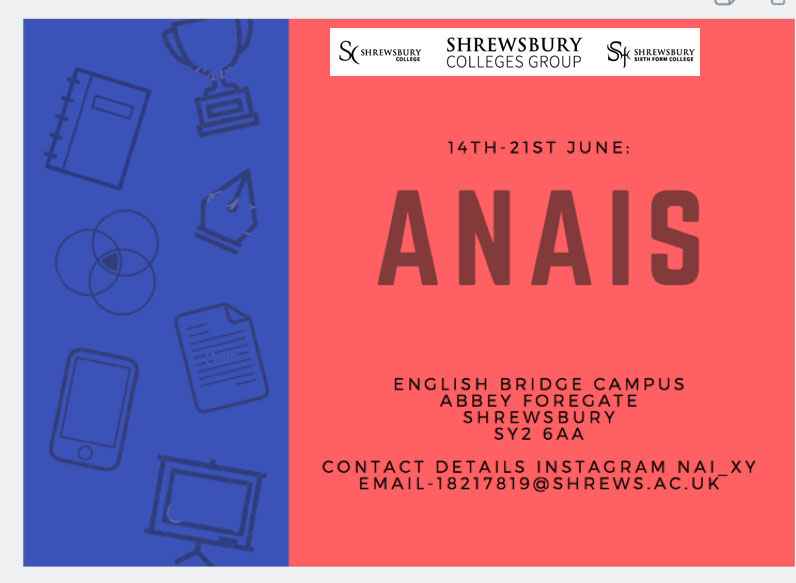
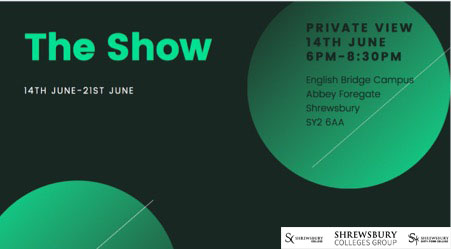
Business card promoting my own personal work that’s being held in the exhibition and the poster which is promoting the exhibition in Shrewsbury overall.
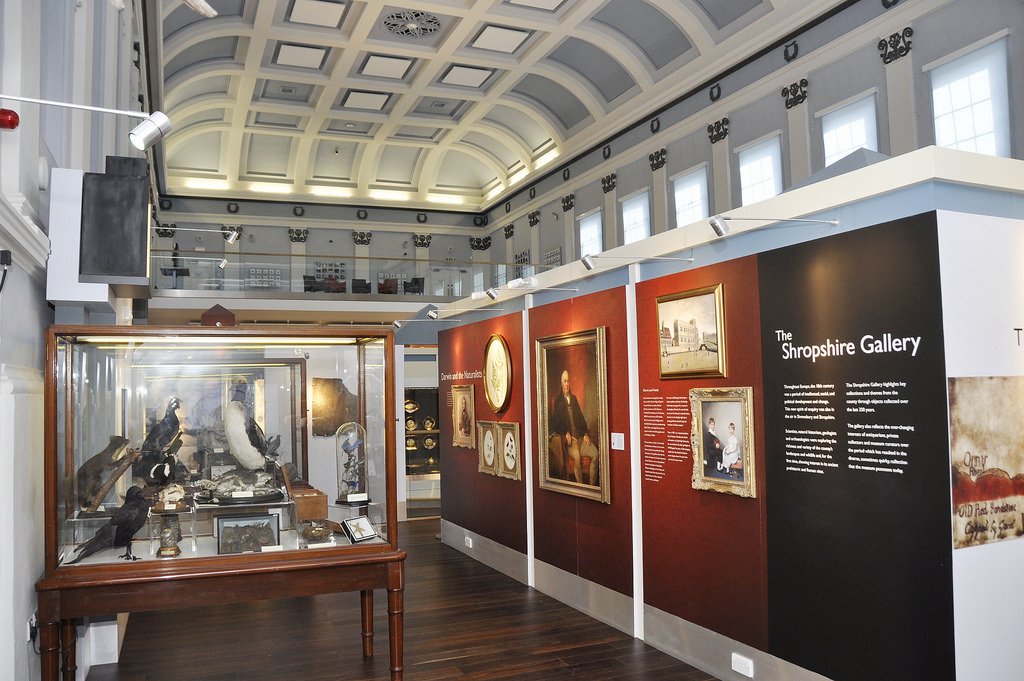
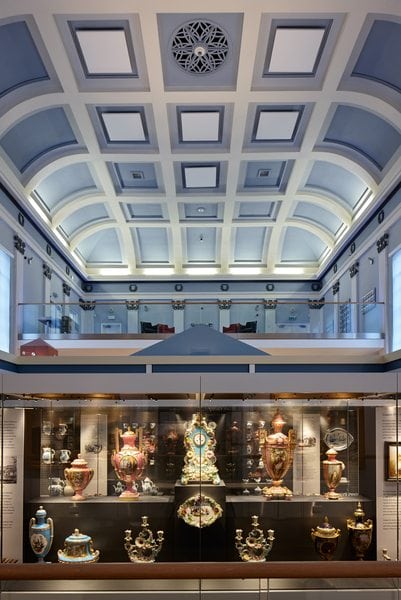
Curation/ Theme/ Content- The content of the gallery includes Shropshire’s history through art and sculptures. Roman, Tudor and Stuart Galleries are included. Throughout the week, special events and activities happen to get families involved.
Target Audience- Aimed at other artists who are looking for inspiration, tourists and young people through the internet. The artwork captures a wide range of people as his work is so broad, different styles and time. As there was no admission fees it would be more appealing to people as it’s a free place to visit.
Promotion- People in the city and educational establishments would’ve been involved. The promotion of the Museum could have also been featured in newspapers or even on photography websites. Promotion of the the Art Gallery and Museum could be on the radio or have representatives being involved in interviews.
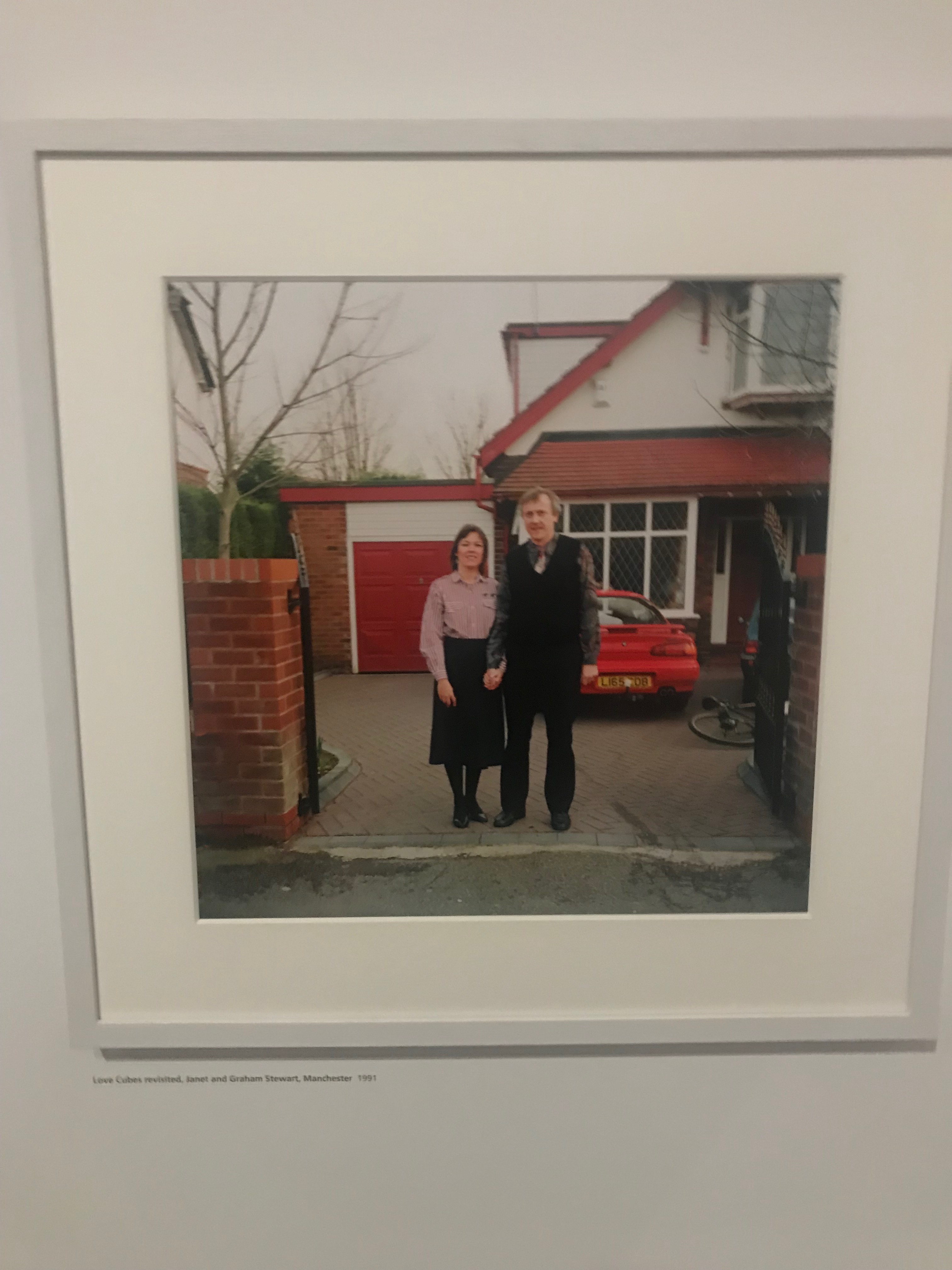
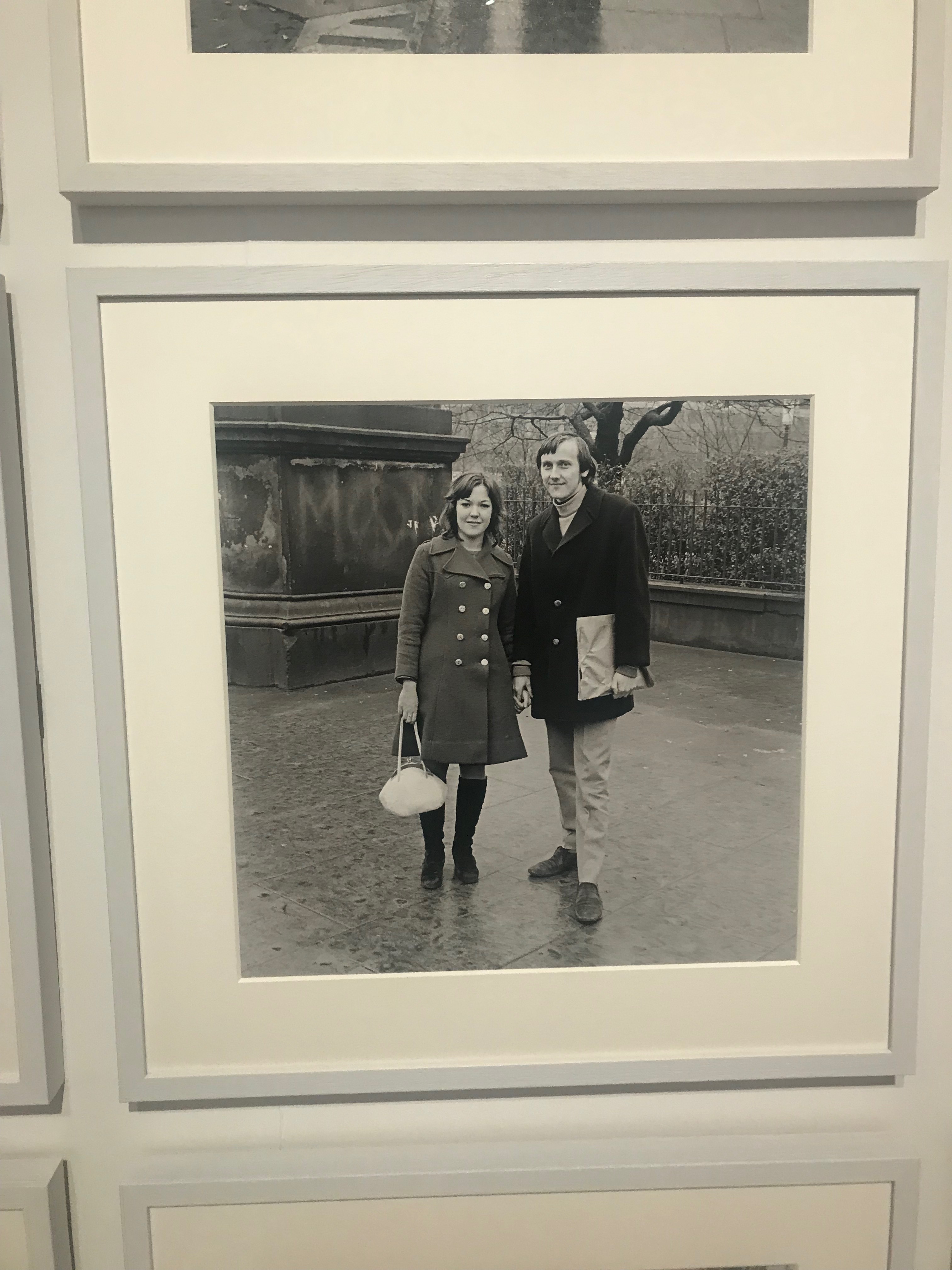
Realisation and Display- The artwork shows diversity and gives a sense of a good strong community. The people involved in the photographs show individuality and the colours are mostly bright and colourful within his collection. Parr’s work is displayed in chronological order and are shown in a vast amount of space. The displays are inconsistent as some appear to be scattered along the wall whereas some collections are tightly packed together. There was one collection of couples that was interactive, drawing more people in to viewing his work.
Budget and Funding- The exhibition was not funded by the admission fees as there was free entry to the event. However, funding possibly could’ve came from self merchandise which were sold in the shop- this including books and tote bags. Donations made to the Museum also help fund the on going development Gallery.
Legal/Ethical Considerations- Health and Safety of the displays of the artwork must’ve been taken into consideration and disabled access for people in wheelchairs etc must’ve been also checked. Volunteer security monitors were also taken place throughout the Museum.
Location/Venue – The location of this art gallery is based in Chamberlain Square in Birmingham.
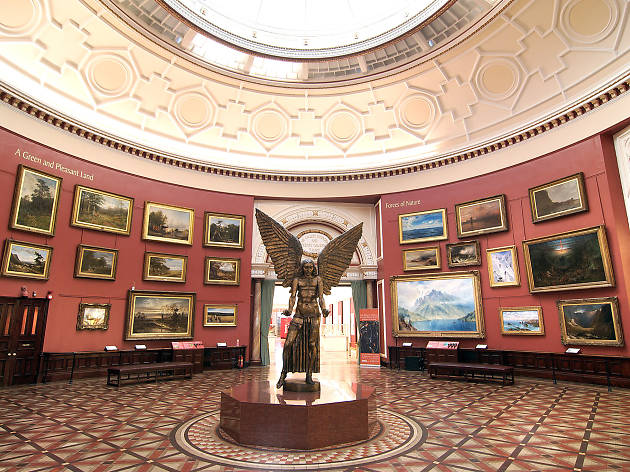
Curation/ Theme/ Content- The content and themes involved with the Museum and Art gallery is a variety. This including the history of Birmingham and artwork from the Pre Raphaelites. There is also a section including sculptures of Buddhas and an Edwardian tea room. The artwork involved in the museum was split into the Era’s it was created so there was a room of Modern British Art (contemporary artists), 19th and 20th century art and 18th and 19th century art.
Target Audience- Aimed at other photographers who are looking for inspiration, tourists and young people through the internet. The artwork captures a wide range of people as the work displayed is so broad, different styles and time. The work would also target people of Birmingham as some work involved is based around the community. As there was no admission fees it would be more appealing to people as it’s a free place to visit.
Promotion- The promotion of the Museaum and Art gallery could have been feautured in newspapers or even on art websites. Promotion would’ve been helped by mentioning the Gallery on the radio or being involved in interviews.
Realisation and Display- The artwork shows diversity and gives a sense of a good strong community in Birmingham. The work displayed around the gallery are all separated onto different floors and sectioned into the Time era it was created. Some sculptures in the Gallery was of a large scale whereas some others were very tiny. Artwork that was very sentimental to the Gallery were often displayed in locked cabinets and secure so there is no risk of damage to the work. Some pieces involved hold great historic value.
Budget and Funding- The exhibition was not funded by the admission fees as there was free entry to the event. However, funding possibly could’ve came from self merchandise which were sold in the shop- this including books and tote bags. Birmingham Museums Trust is a registered charity and relies on donations to run many of its learning programmes, as well as continuing to provide excellent exhibitions and displays across its nine sites.
Legal/Ethical Considerations- The Museum and Art Gallery contained artwork of individual artists so copyright of any brand names or logos would have needed to be considered. Health and Safety of the displays of the artwork must’ve been taken into consideration and disabled access for people in wheelchairs etc must’ve been also checked. Volunteer security monitors were also taken place throughout the exhibition.
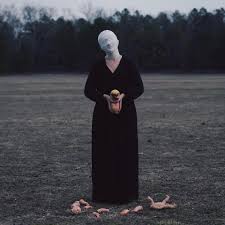
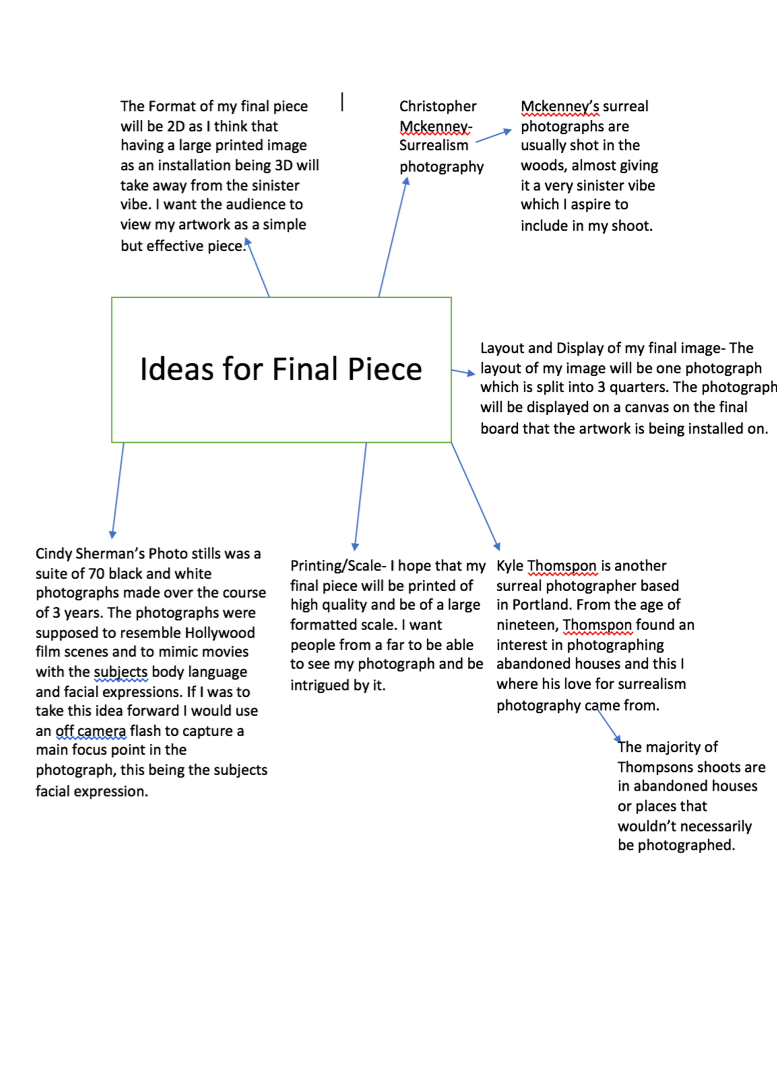
Christopher Mckenney is the main photographer who has inspired my ideas towards the shoots I’m going to take. His style of work inspires me as the contemporary and surrealist twist he adds to his work is different from any other photographer I have researched. Mckenney is originally from Pennsylvania and is a specialist in horror surrealist photography. The sinister and spooky vibes his photographs give off make me even more interested in his work. There is no background information to his images, no hint of specific location and the subjects are usually anonymous which adds to the sinister effect.
This photograph in particular really intrigued me. The subject is completely anonomous as a sheet or pillow case is covering her face. You can work out that the subject is female due to the clothing, this being a dress. I believes this adds to the vulnerability to the subject. The fact that the female is holding an axe adds to the sinister aspect of the photograph as no one knows specifically why she’s holding it. The location itself is very surreal and sinister as you wouldn’t think to find a girl alone stood in a forest or woods alone with a weapon. It’s very surreal and this was Mckenneys intention.
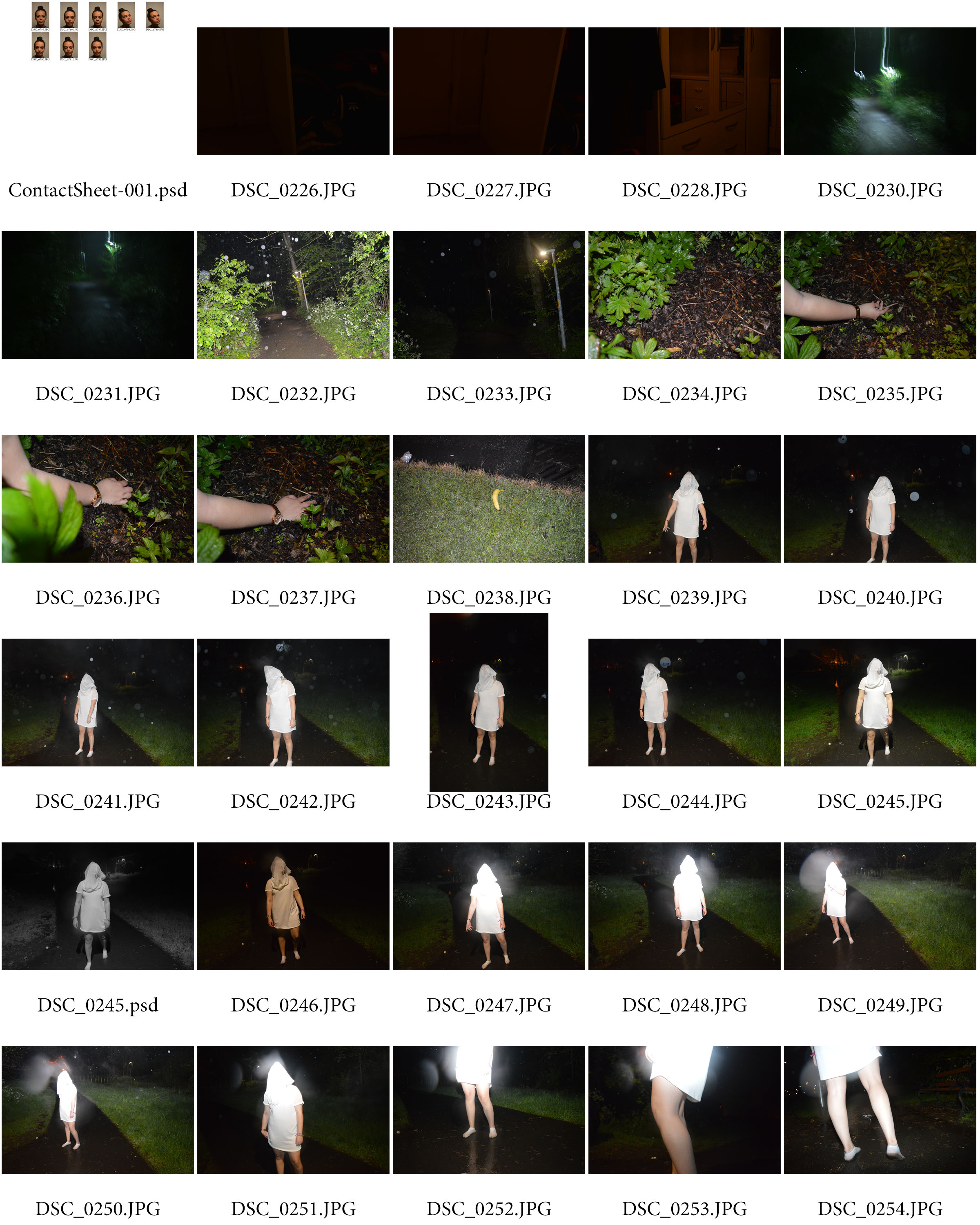
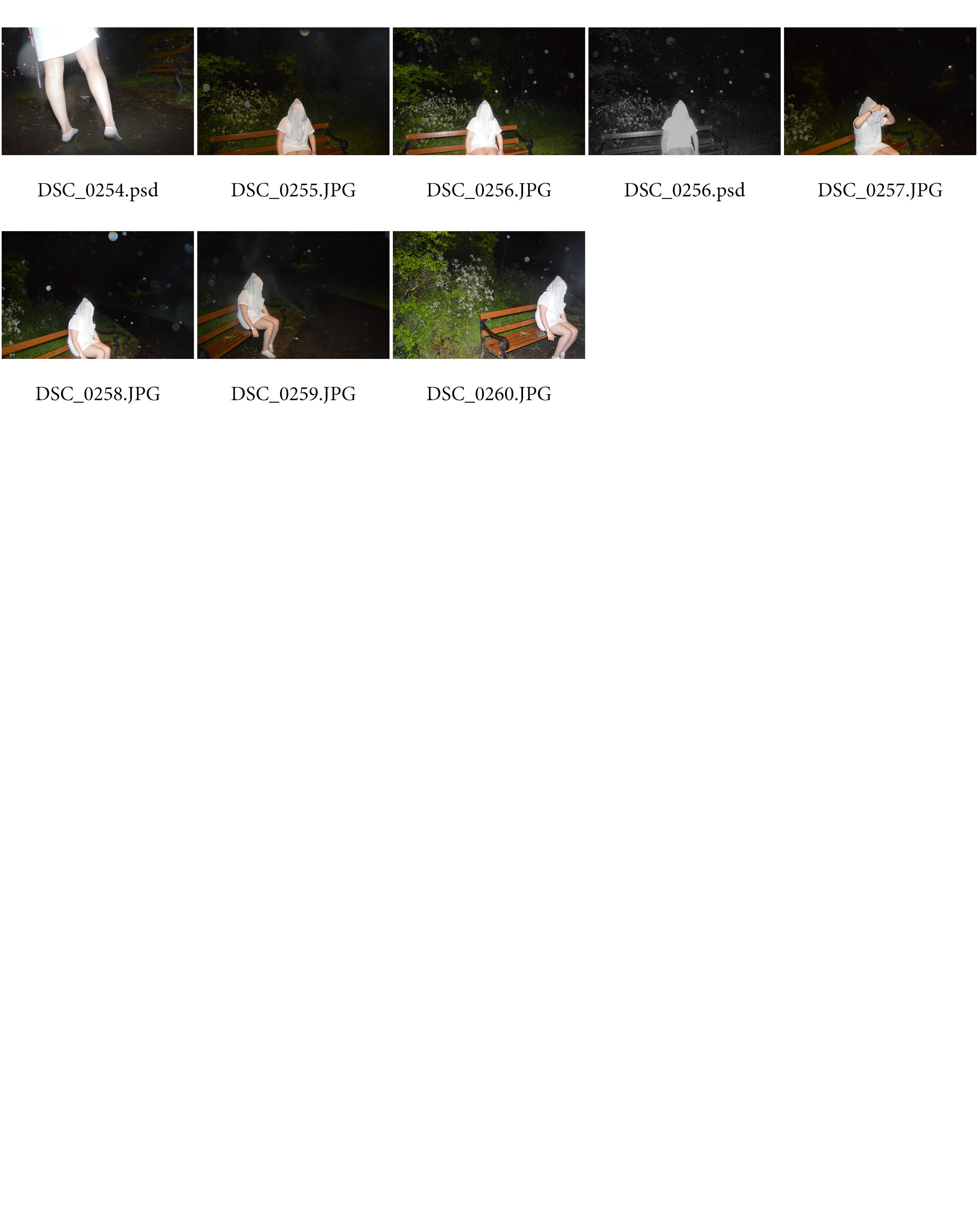
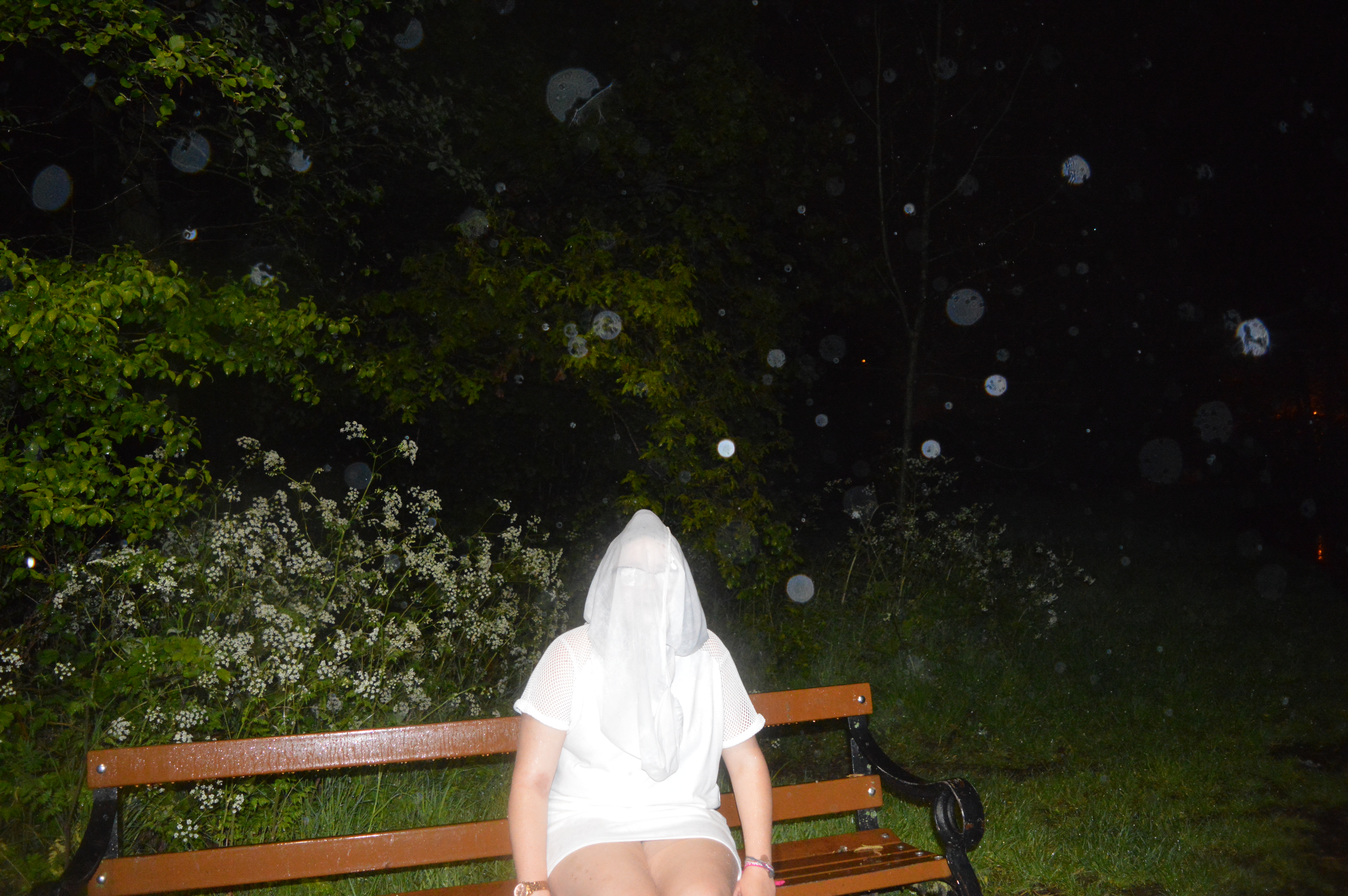
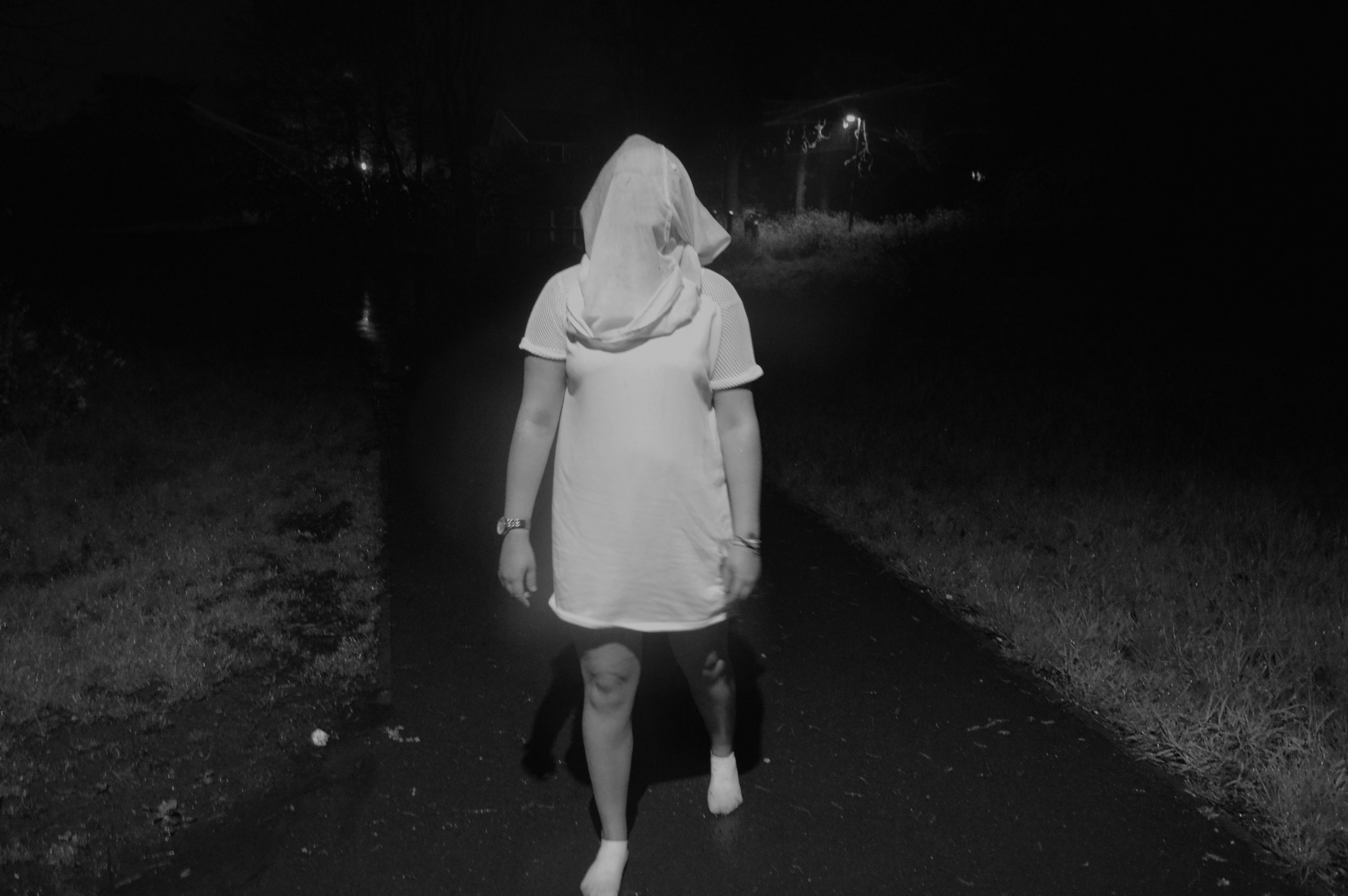
These two photographs were the most successful from the shoot. I used an off camera flash to capture the images quite raw and gritty. I have taken inspiration from Mckenney by using a female subject but keeping the face anonymous with the use of a pillow case. The shoot was taken in some local woods close to my home as I wanted to incorporate the surrealism and have an element of the images still being rather sinister. In the top image the rain droplets were unintentional. However, I like the effect it has on the image adding a more of an eery and scary effect. If I was to do this shoot again I would take more close ups of the subject, this would add more effect to the image and intrigued the audience even more as there is no context to the image and the identity of the person is unknown.
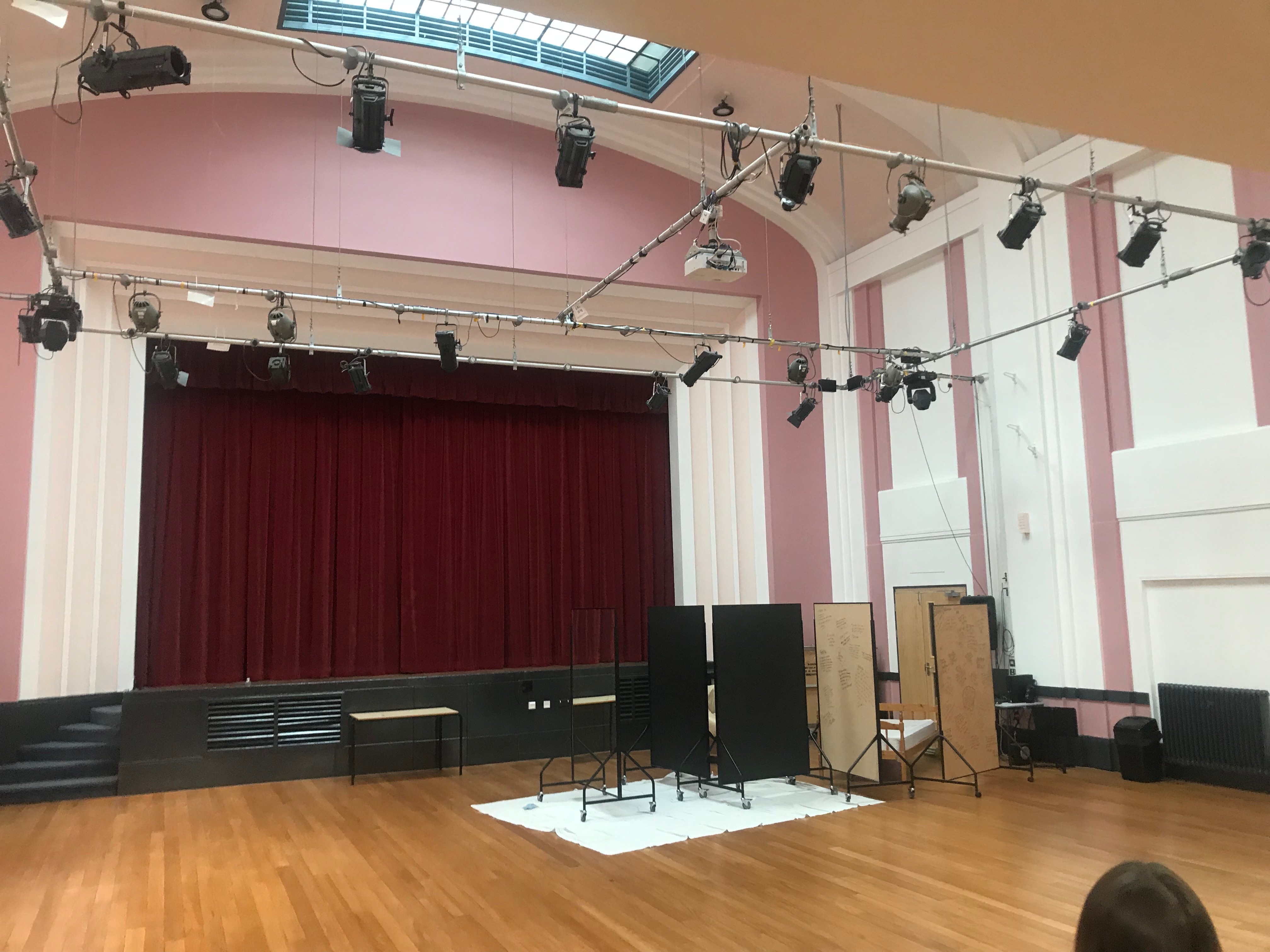
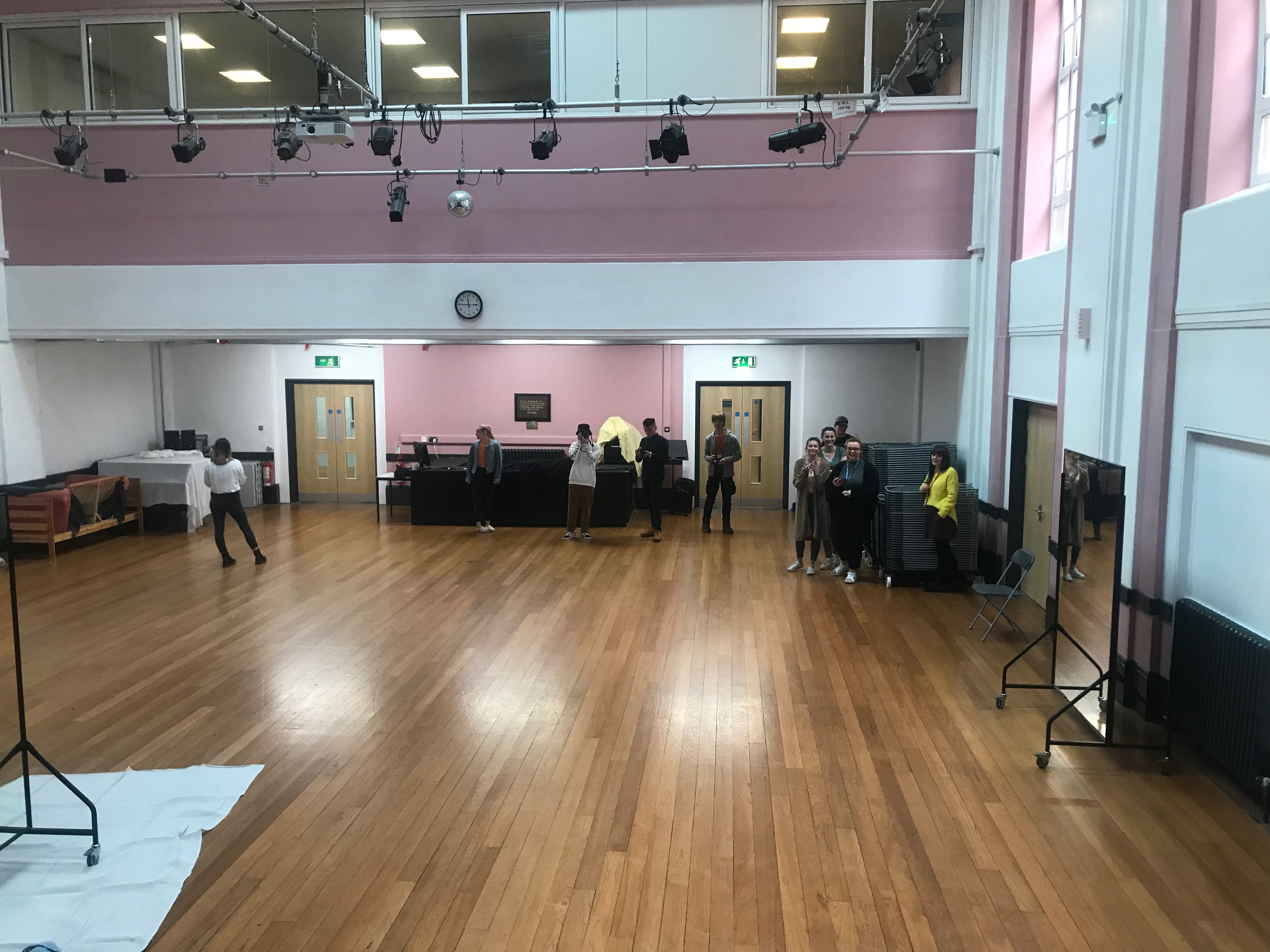
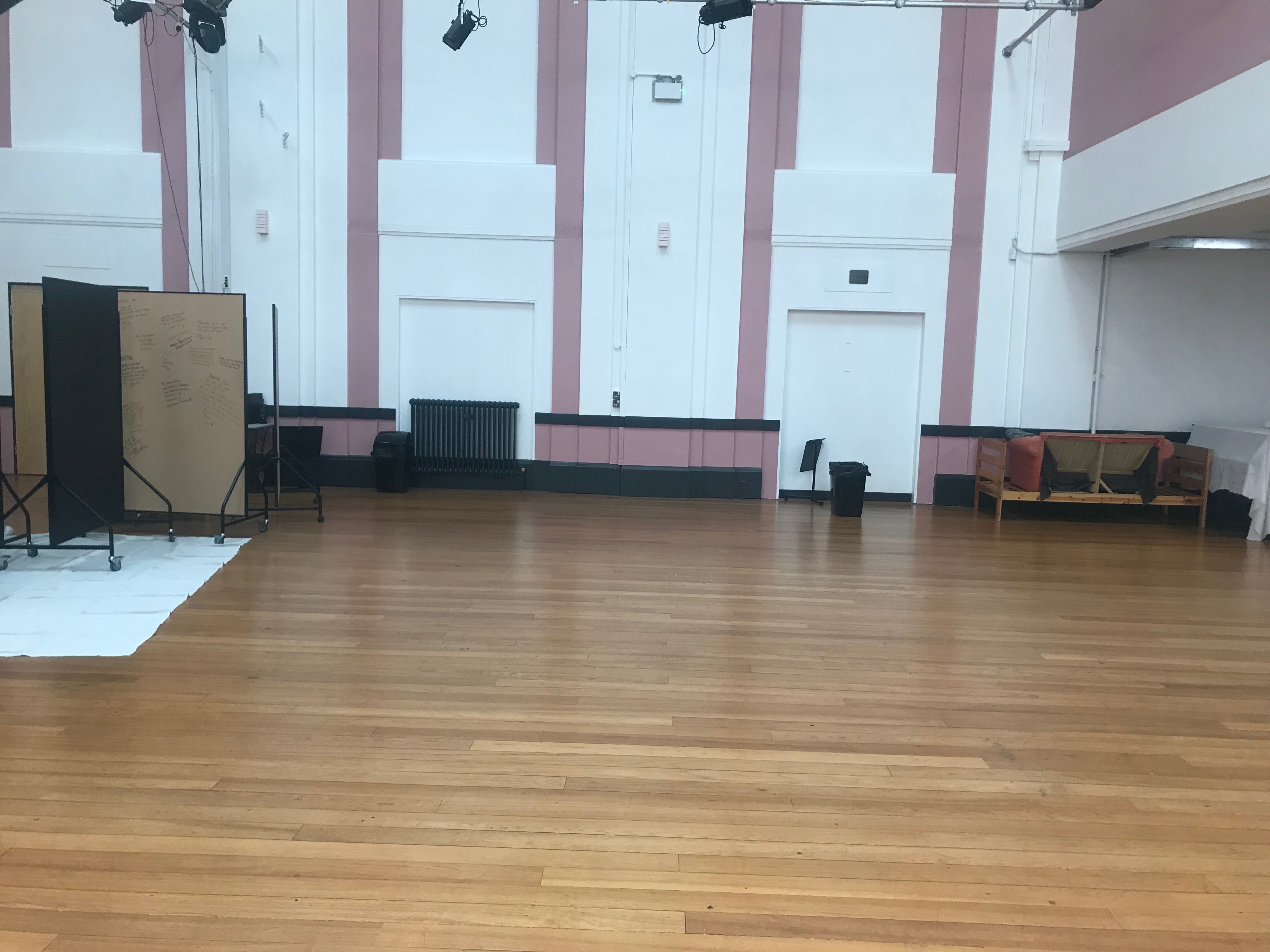
Positives- It’s in a public area and very close to town. The exhibition is held in a big space measured 16m-12.5m. There is free parking for all visitors who visit the exhibition. The exhibition is also on at the same time as the Shrewsbury carnival so there could potentially be more visitors coming to the exhibition. The carnival is on the date 15th June and the exhibition is running on the dates 14th June to the 21st June.
Negatives- The exhibition isn’t open for a large of time, 7 days, 9am-4pm, Monday to Friday. The location itself doesn’t have wheelchair access which could be an issue for certain individuals. The venue is holding 46 Photography and Fashion students’ work. This also includes 30 Art students’ work in the exhibition too.
Target Audience –
The audience of the exhibition involves a wide range of people, male and female. Other college students and staff are allowed to also visit the exhibition, family members of the students and whoever else may be interested in the work portrayed in the exhibition. The exhibition can be advertised through the use of posters, college websites, social media or even by word of mouth.
Content/Theme/Content –
The courses involved in the exhibition include Media, Art, Photography and Fashion and there will be a variety of contemporary work created by the students at the college. Depending on the subject matter and colour the work should arguably be grouped together eg. Fashion garments will be grouped together ( garments on the mannequins). The work produced and shown by the students could be influenced from a range of art movements including Expressionism, Cubism or even Dada. The format of the work shown in the exhibition could be anything from a simple drawing to paintings, photographs, sculptures, garments or even something digital like a video. If the work is something digital it will need to be in close proximity to a power supply.
Budget and Funding –
The students cover the cost of their own work, this includes any printing or frames. The exhibition is mainly council funded, specifically from the art department. This is a positive as it helps save a lot money on items such as paint, the mount boards, mirror plates, foam board, alcohol and other drinks.
Realisation –
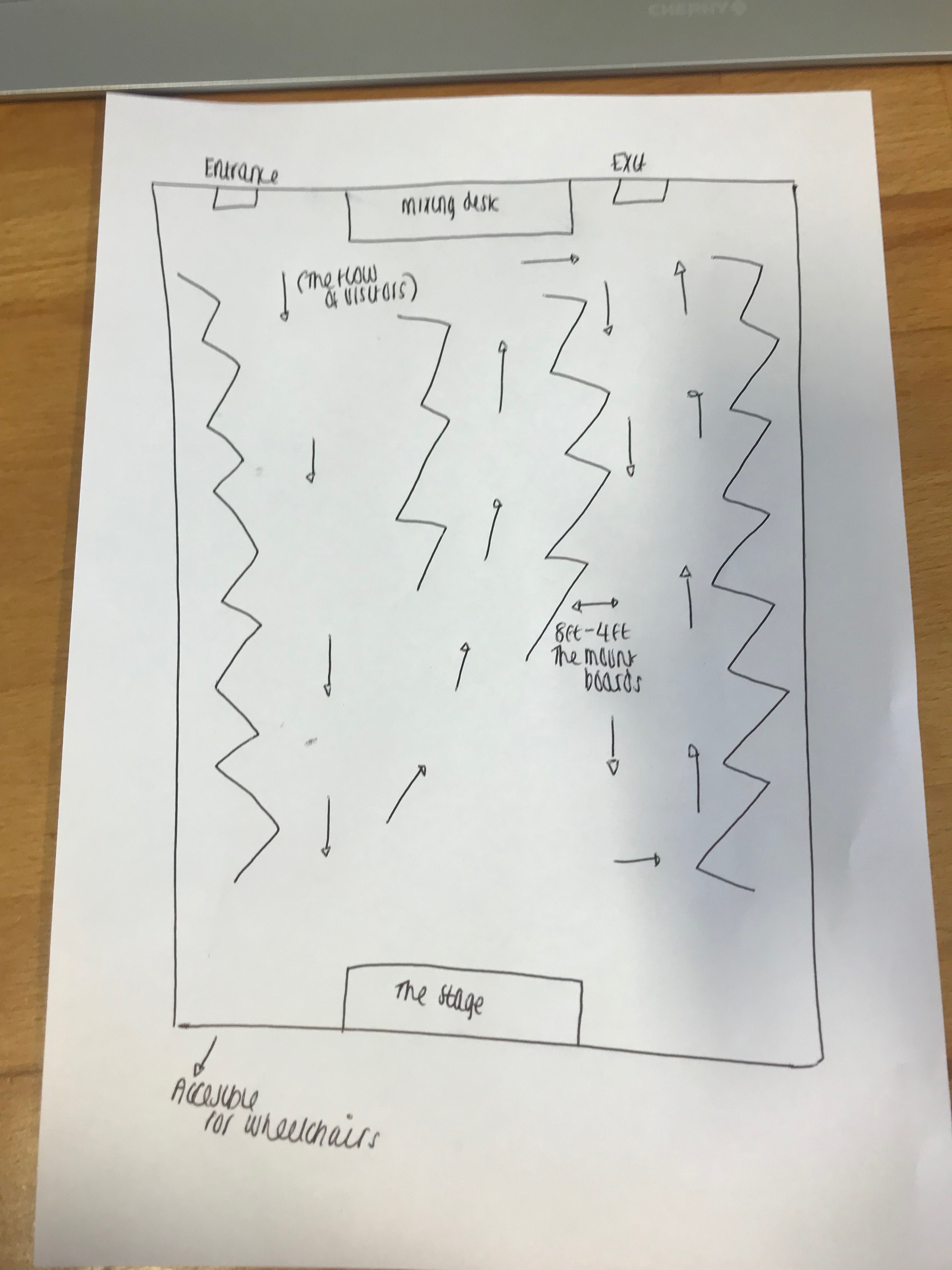
Ultimately, college is in charge of the planning towards the exhibition. There are 3 floors in total open for the work being shown in the exhibition with arrow systems to aid with crowding. The work created by the students will be presented on mount boards (MDF). The boards are 8ft X 4ft and the work itself can come in various sizes. The students are responsible for the installation of their work and how they display it. The technicians and staff will be there to help supervise the installation of the work. The space of the actual exhibition is restricted, the doors must be clear enabling people to enter and exit. Lighting in the rooms will be on but may be switched off depending on how the students work is installed ( eg. installation).
Legal/Ethical Considerations – The fire escapes and exits need to be taken into consideration for this event. A plan of action needs to be in place to ensure no individual is at any risk of harm in the event of a fire. The flow of people needs to be controlled within the location of the exhibition and needs to be escorted out safely if a fire does occur. The work installed in the exhibition should have watermarks if any copyright is involved. The students work should be original and should be their own. Visitors should also sign in when entering the exhibition, mainly for security check purposes. The boards and any work installed in the exhibition should be hung or portrayed in a safe way, making sure there are no tripping hazards or accidents regarding the work falling etc. Another important aspect which needs to be taken into consideration is wheelchair access for those who are unable to use the normal entrances and exits, including the space inside the exhibition which is involving the flow of people. To avoid any crowding if individuals are in wheelchairs, the spaces should widen to an extra 32 inches.
Timescales – All the work needs to be completed by half term which is the date 24th May. At the end of May the final pieces will start to be installed and put up. The opening times for the actual exhibition is 9am-4pm Monday to Friday from the 14th June- 21st June. The studio can only be used till the 19th May and the private view of the exhibition is on the 14th June from 6pm-8pm.
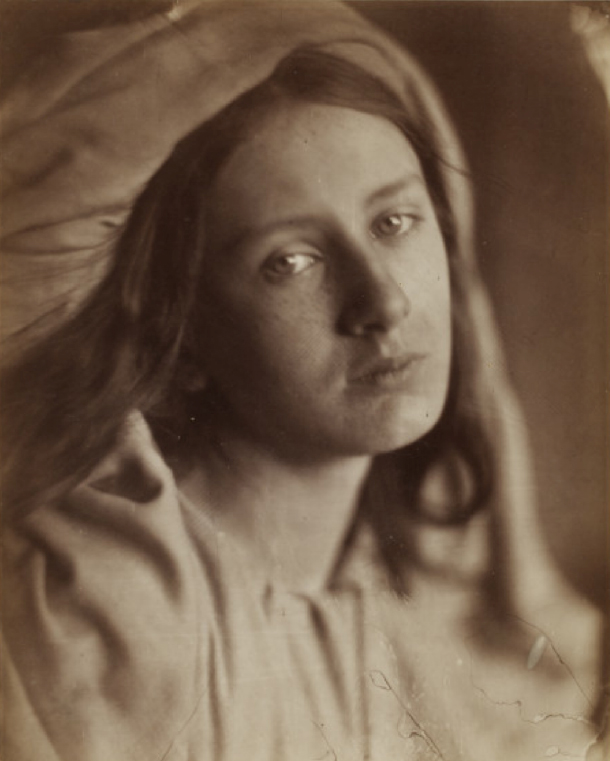
Cameron was born in 1815 and started to photograph in the 1860’s. She originally was given a camera as a present and then continued to use her gift and produce powerful portraits which later influenced other photographers. Cameron used a large format film camera, using glass negative plates. She was influenced majorly by the Romantics and Pre Raphaelites paintings which was clearly depicted in her photographs as she used her camera to capture historic and religious icons eg Darwin and reconstructing parts from the bible. She would have got her subjects to pose in specific ways making sure their facial expressions and body language are a specific way to almost appear like a character. The religious elements of her photographs were described as having a ‘pictorial effect’.Cameron being a pioneering portrait photographer had a massive influence on other photographers work like Tom Hunter who produced the life and death in Hackney collection. Cameron contributed to the history of photography as she influenced other artists to create artwork having religious elements. Cameron also influenced John Everett and his photograph named Ophelia. Cameron was one of the first female photographers who saw photography as an art form and she received a lot of criticism from male contemporary artists.
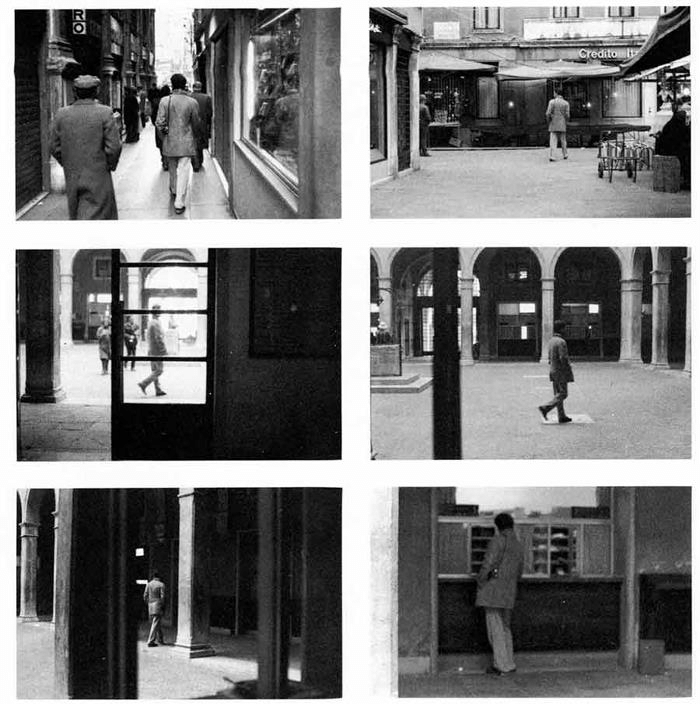
Sophie Calle is a French photographer and installation artist. She was born on the 9th October in 1953. Her work often shows human vulnerability and examines human intimacy and identity. Calle has done a variety of photography collections that would include being rather invasive of people’s privacy and intimacy, to the extreme of photographing people sleeping in her bad to catching flights and following certain individuals.
Richard Billingham grew up in the west of Birmingham and in 1966 decided to publish a photography collection of his family which became a phenomenon. His collection named ‘Ray’s a Laugh’ was that successful as a set of photographs even later became published into a full film. The photograph above is untitled from his collection but is of Billinghams alcoholic father and obese and heavily tattooed mother. The image was taken on the seventh floor of a council block of flats in Cradeley Heath based in Birmingham. The couple are clearly seen to be sat on the sofa appearing to look rather unhappy and miserable. The angle and composition of the image could symbolise spontaniaty of which the image was taken. The saturated colours and high contrast could symbolise how realistic and unmanipulated the image is, giving it a real gritty feel. The space between the couple in the image could infer the divide in the relationship and how they’re almost grown apart. A on camera flash was possibly used from above capturing the image causing it to be very direct with harsh lighting, not flattering on the faces at all. It is a wideshot image with not a lot of depth to the image, almost like it’s showing a section of a scene. ‘Ray’s a Laugh’ is considered one of the most important photo books in Britain and the real raw links of people show how the images tells a real story. The collection had won a numerous of awards including the Turner Prize in 2001.
Historically, this artist has contributed to the development of photography as Billingham influenced other photographers to start photographing their personal life and documenting it in a similar way to what Billingham himself did. Photographing a personals personal life of family or friends is interesting to other people as everyone’s life is completely different.
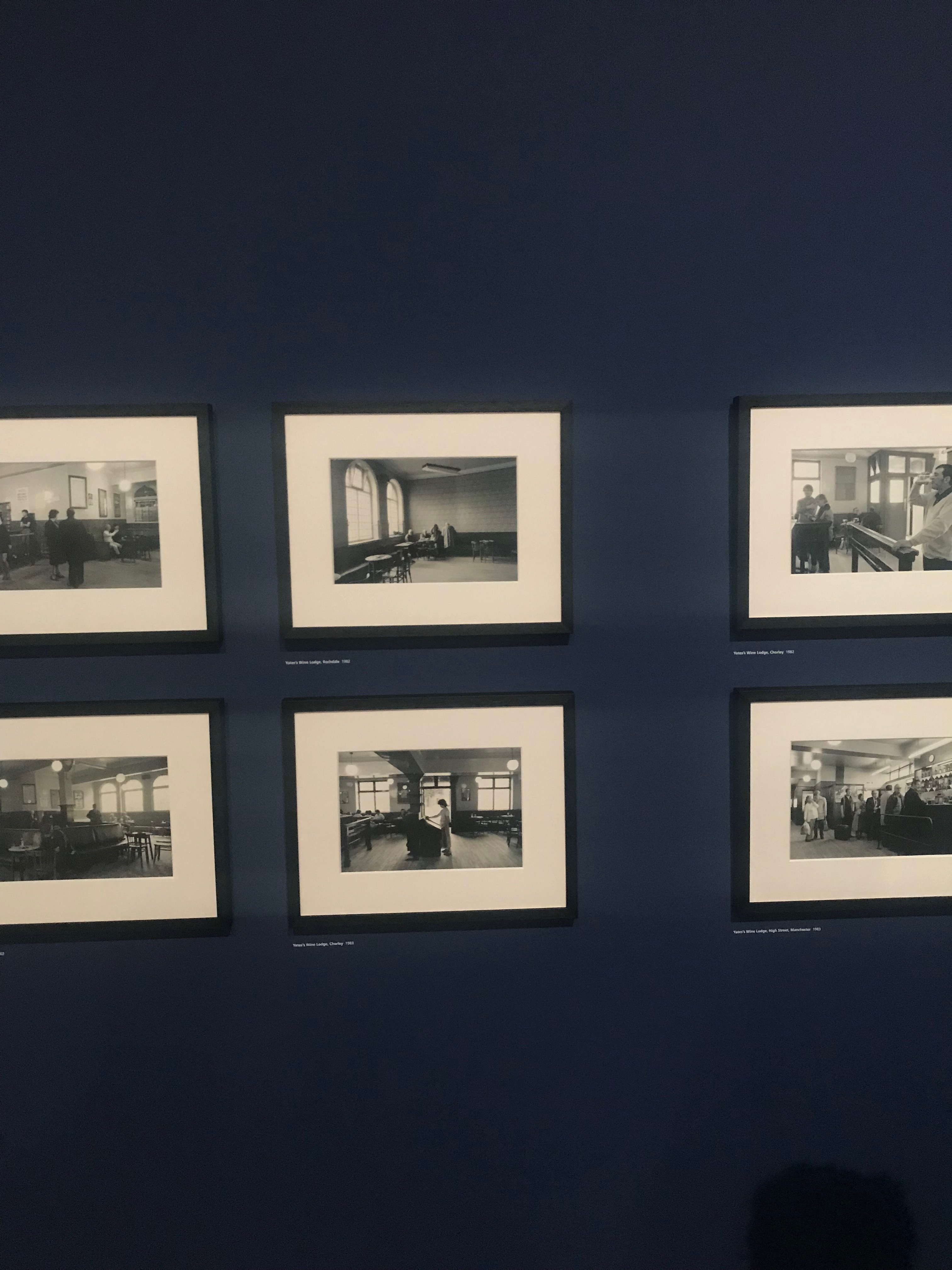
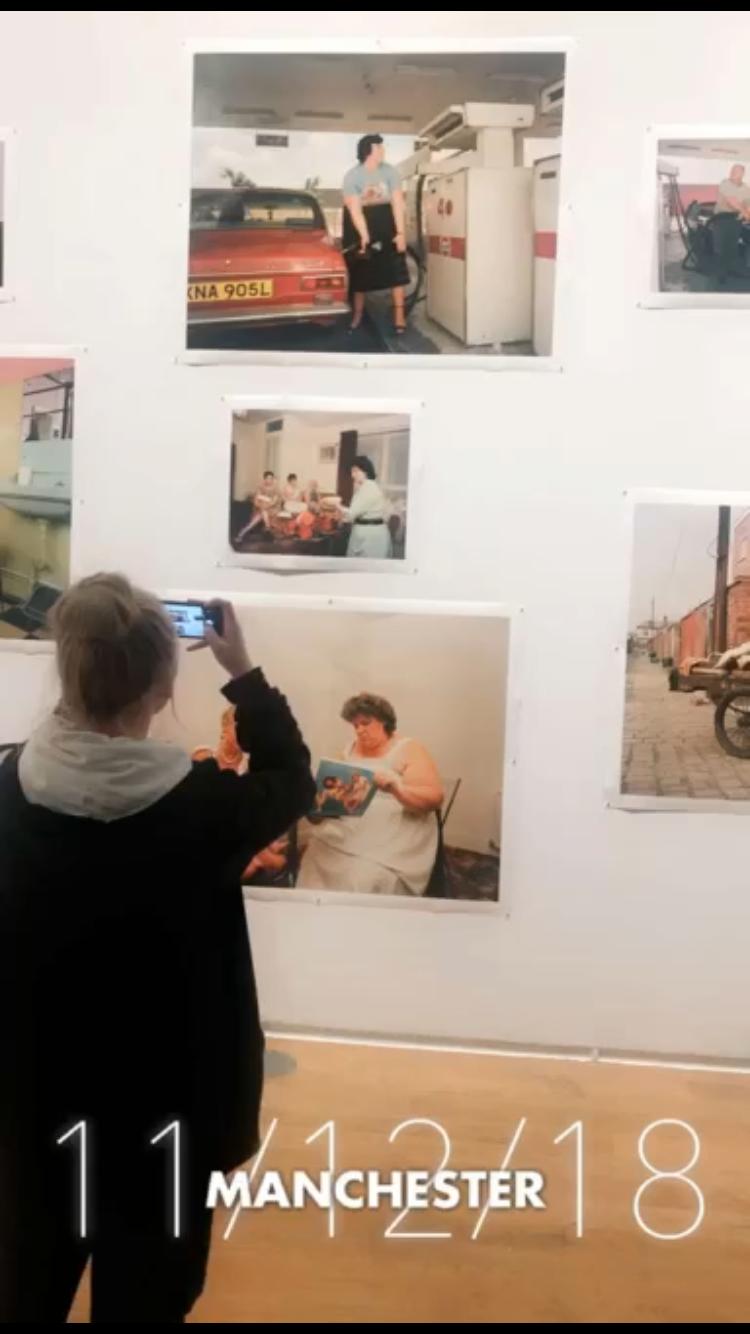
Martin Parr Revisited Exhibition Manchester, 11th December 2018
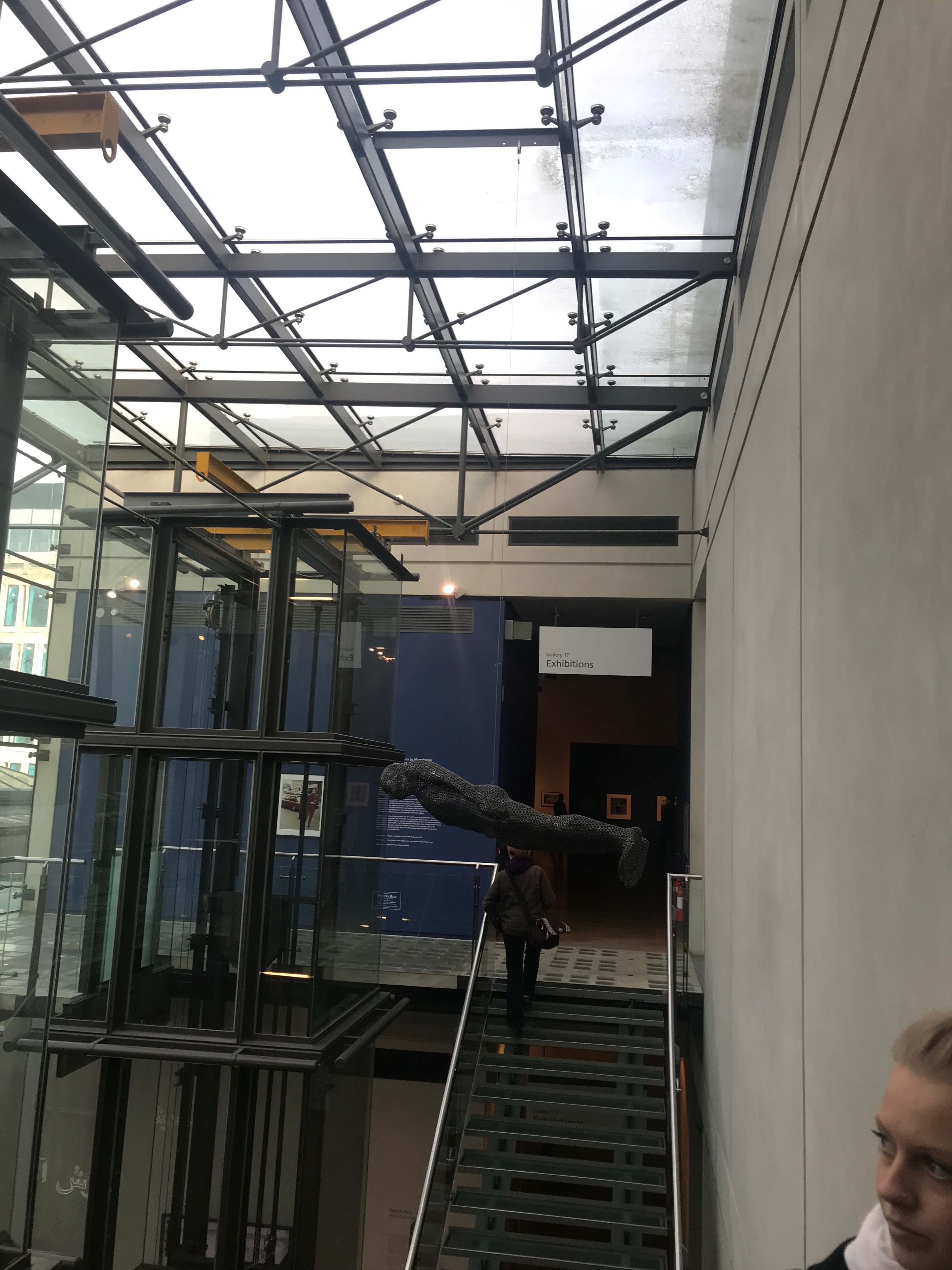
Location/Venue- Manchester Art Gallery, Good transport as it’s based in a big city. There are bound to be a lot of visitors including schools and collages. Manchester Polytechnic, Martin Parr also studied at Manchester which is another reason why he continues to come back and sometimes teach in MMU. The Venue was hired out for the exhibition and many conferences, meetings and seminars had taken place prior to this. The metro, train, trams and buses were available on the day to get to the exhibition. All the photographs taken were from within Manchester. The artwork gallery is very prestigious as it also holds a lot of other famous photographers artwork. A lot of other institutions were nearby.
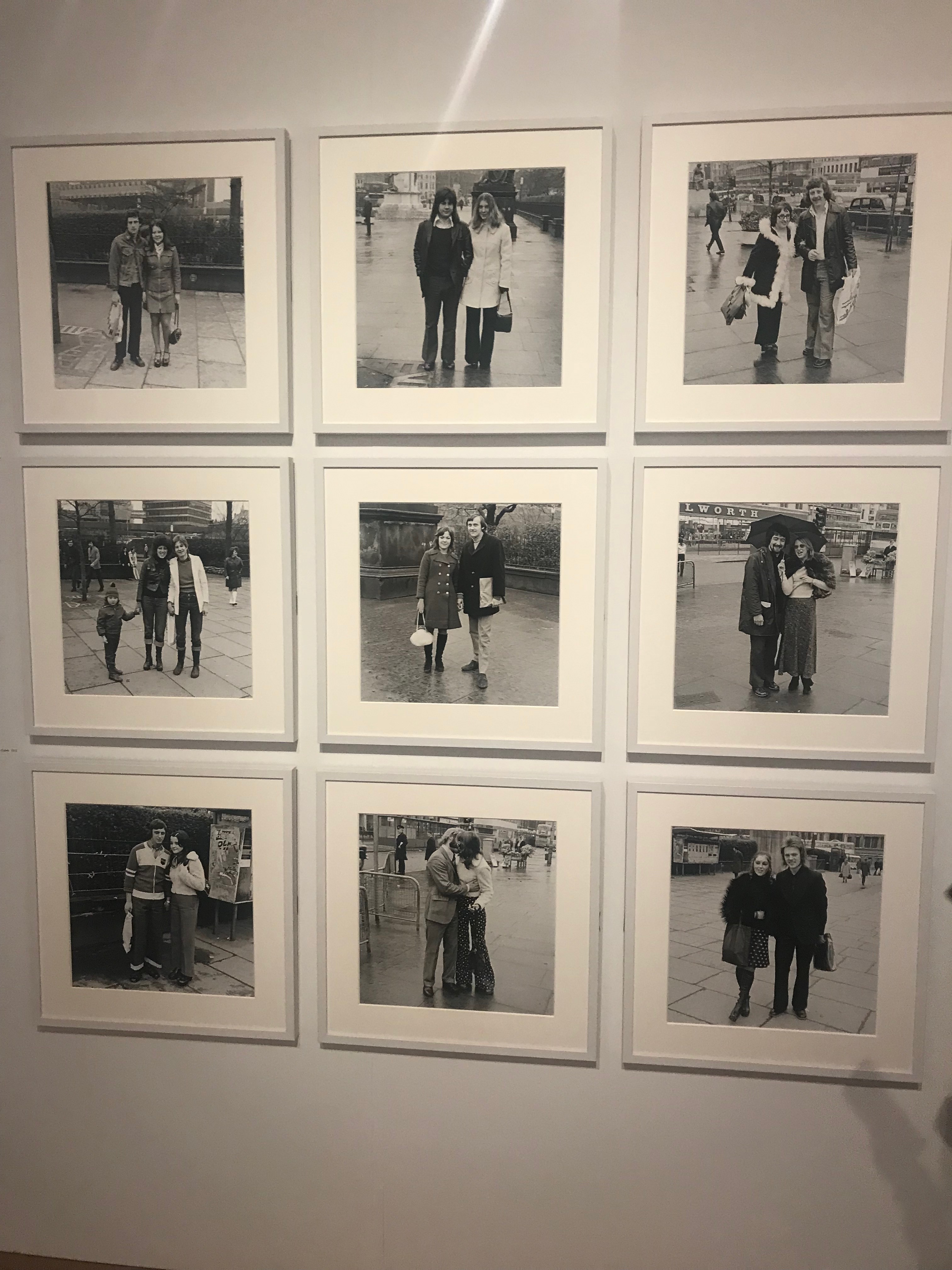
Curation/ Theme/ Content- The content of the exhibition was of ordinary people going about their daily lives, street photography. The images were taken from the dates 1970-2018. The collections involved were of people in supermarkets, patients at a mental hospital, people in mosques, couples and even of people’s living rooms based on the street name ‘Coronation Street’.
Target Audience- Aimed at other photographers who are looking for inspiration, tourists and young people through the internet. The artwork captures a wide range of people as his work is so broad, different styles and time. The work would also target people of Manchester as it’s whole collection is based around the community. As there was no admission fees it would be more appealing to people as it’s a free place to visit.
Promotion- There was a press release in October 2018, people in the city and educational establishments would’ve been involved. The promotion of the exhibition could have also been feautured in newspapers or even on photography websites. The red eye organisation would’ve also helped to organise and financially help sort the event, the red eye organisation has many followers and subscribers. Promotion would’ve been helped by mentioning the exhibition on the radio or being involved in interviews.
Realisation and Display- The artwork shows diversity and gives a sense of a good strong community. The people involved in the photographs show individuality and the colours are mostly bright and colourful within his collection. Parr’s work is displayed in chronological order and are shown in a vast amount of space. The displays are inconsistent as some appear to be scattered along the wall whereas some collections are tightly packed together. There was one collection of couples that was interactive, drawing more people in to viewing his work.
Budget and Funding- The exhibition was not funded by the admission fees as there was free entry to the event. However, funding possibly could’ve came from self merchandise which were sold in the shop- this including books and tote bags. There was also a donation box within the exhibition and donations were also made to other exhibitions. The MMU also helped fund this event as it did take part as a part of the University.
Legal/Ethical Considerations- Martin Parr owned all of the images. Copyright of any brand names or logos has to of been considered – quick save was involved as a brand. Health and Safety of the displays of the artwork must’ve been taken into consideration and disabled access for people in wheelchairs etc must’ve been also checked. Volunteer security monitors were also taken place throughout the exhibition.


















 FINAL PROJECT- unit 23&16